Uttarakhand Boosts Border Farmer Incomes via Kiwi Cultivation
The Uttarakhand government is transforming Pithoragarh into a kiwi cluster to boost border farmer incomes through modern horticulture support.
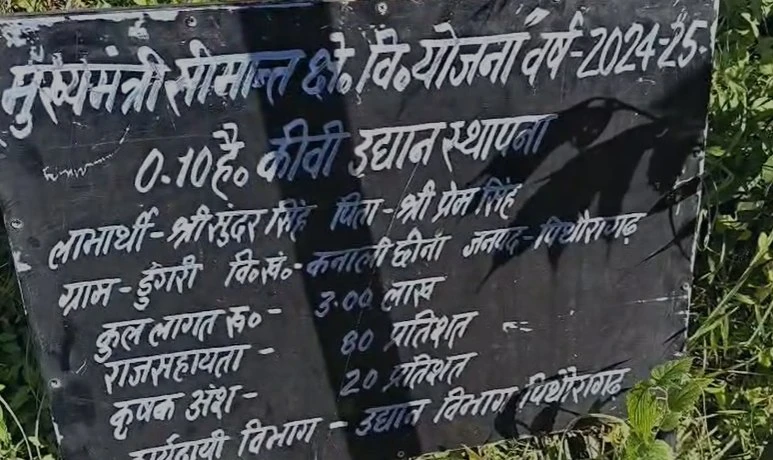
The high-altitude reaches of Pithoragarh are undergoing a quiet but powerful transformation. As the Uttarakhand government pushes to modernize agriculture, the focus has shifted toward high-value horticulture to revitalize border communities. By promoting kiwi cultivation, the state aims to turn these remote hilly terrains into prosperous agricultural zones.
For farmers like Sundar Singh, a resident of Dungri village in the Kanali-chhina block, this initiative is a game-changer. The transition from traditional crops to kiwi production is helping local growers tap into new markets and significantly enhance their household incomes in a challenging landscape.
Building a Robust Kiwi Cluster in Pithoragarh
The state government is not just encouraging the change but is actively providing the tools necessary for success. Under the leadership of Chief Minister Pushkar Singh Dhami, the administration is working to develop Pithoragarh into a dedicated kiwi cluster. This involves providing farmers with essential resources, including high-quality kiwi plants, trellising structures, drip irrigation systems, and sturdy fencing to protect the crops.
These support mechanisms are part of the Chief Minister's Border Area Development Program (MBADP), which focuses on sustainable livelihood creation and the transfer of modern agricultural technology to border communities. To ease the financial burden, the government has made several schemes accessible, such as the Pradhan Mantri Kisan Samman Nidhi and interest-free loans of up to ₹3 lakh for agricultural development.
This push for horticulture extends beyond kiwi, with plans to promote other high-value crops like dragon fruit. By investing in dedicated missions like the Apple Mission and the Kiwi Mission, the government is working toward a future where Uttarakhand's border farmers are self-reliant and part of a thriving, modern rural economy.