Small Tea Growers in Siliguri Face Severe Economic Crisis
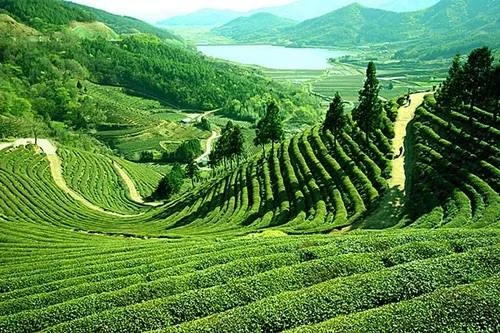
Over 50,000 small tea growers in the Terai and Dooars regions near Siliguri are currently facing a major economic crisis. The regional tea industry has shifted over the last two decades from large, organized estates to many small-scale farms. These small growers now produce more than 50% of the raw green tea leaves in the area, yet they struggle due to a lack of local processing facilities and unstable factory prices.
The Impact of Bought-Leaf Factory Monopolies
Small growers face significant challenges because harvested tea leaves must be processed within 12 hours before they spoil. This short shelf life prevents farmers from storing their stock to negotiate better prices. Reports indicate that factory cartels often reduce procurement prices to between ₹10 and ₹12 per kilogram. These rates are lower than the actual cost of cultivation, despite the high prices that packaged tea commands in markets across the country.
Challenges with Price Regulation and Rising Costs
The situation is made worse by the inconsistent application of price-sharing formulas set by the Tea Board of India. Growers must manage the rising costs of coal and organic farming inputs while also meeting strict requirements regarding chemical residue. Because they lack collective bargaining power, many farming families living on the outskirts of Siliguri are finding it difficult to sustain their livelihoods. Many are now forced to abandon their plantations or are falling into cycles of debt as they struggle to maintain their operations.