Northeast States Join Forces to Enhance Child Protection
Chief Ministers and child rights representatives from all eight states in Northeast India gathered in Tawang, Arunachal Pradesh, for a major convention focused on improving child safety. Held from July 31 to August 1, 2026, the North East State Commissions for Protection of Child Rights (NE SCPCR) Convention marked the first time these regional bodies met on one platform to address urgent issues. The meeting aimed to create a unified strategy to fight threats like human trafficking, cyber exploitation, substance abuse, and child marriage.
Focus on Regional Cooperation
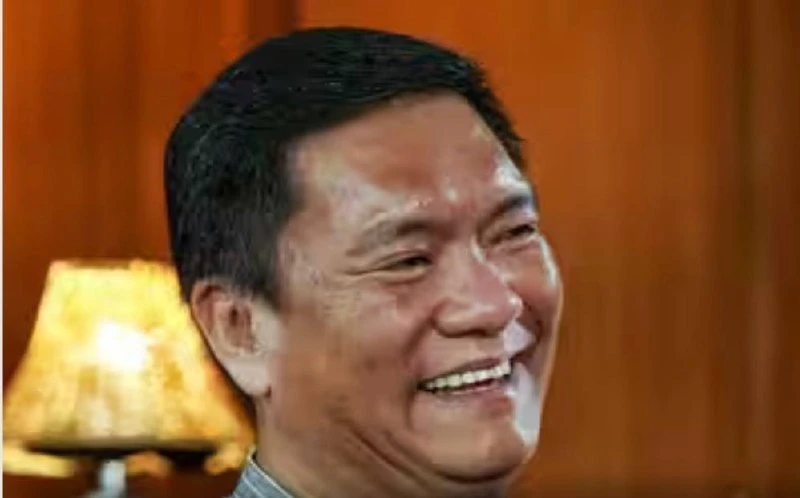
Arunachal Pradesh Chief Minister Pema Khandu opened the event by calling for better coordination between states to handle cross-border challenges. The event was organized by the Arunachal Pradesh State Commission for Protection of Child Rights (APSCPCR). The attendees agreed on a collective plan to improve child protection, care, and education through sustained regional teamwork. According to the original report, this gathering serves as a historic step toward securing the well-being of children across the entire region.
The Tawang Declaration
At the end of the two-day event, participants adopted the Tawang Declaration. This document requests that the Central Government, State Governments, and the National Commission for Protection of Child Rights (NCPCR) work together to create a formal regional mechanism. This mechanism is intended to better safeguard and promote the rights of children across all Northeastern states. The discussions highlighted the need for institutional convergence and active community participation to solve complex challenges facing young people today.
Future Policy and Governance
Priyank Kanoongo, a member of the National Human Rights Commission (NHRC), attended the closing session of the convention. He noted that the recommendations made during the event will help guide child rights policies for the next twenty years. These efforts are expected to support the national goal of building a safer future for children as part of the Viksit Bharat 2047 vision, as detailed in the latest update. Chief Minister Khandu also pointed to state-specific programs like the Dulari Kanya Scheme and Mission Vatsalya as examples of how good governance can prioritize child welfare.