Meghalaya Cabinet Approves Sixth Pay Commission and Police Reforms
Meghalaya Cabinet approves the Sixth Pay Commission, new police recruitment reforms, and a debt strategy to secure Rs 100 crore in assistance.
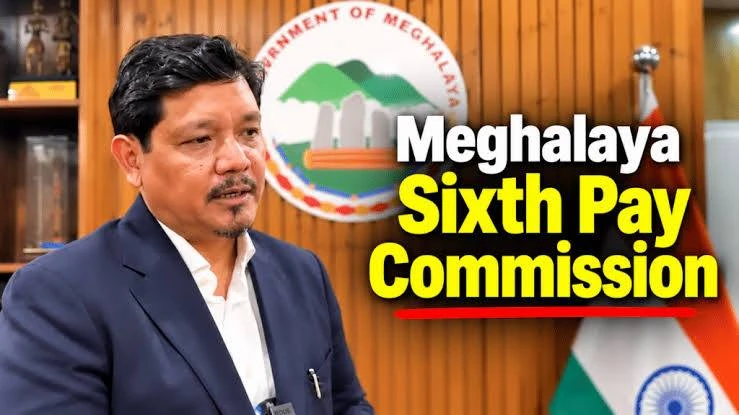
In a major development for state employees and law enforcement, the Meghalaya Cabinet has officially approved the formation of the Sixth Pay Commission. During a meeting held on Thursday, November 19, 2026, Chief Minister Conrad Sangma announced that the commission will be tasked with reviewing service conditions and pay scales for government employees across the state.
To lead this critical review, former Chief Secretary D.P. Wahlang has been appointed as the chairman of the commission. He will be joined by retired senior officials T. Lyngwa and Ambrose Marak as members. The panel has been granted an eight-month window to complete its assessment and submit its final recommendations. Chief Minister Sangma also noted that the government remains flexible, allowing the commission to address additional concerns such as pay arrears as they arise during the consultation process.
Beyond employee welfare, the Cabinet also moved to modernize the state's law enforcement through significant police recruitment reforms. The government has approved revised guidelines to ensure a more transparent and efficient hiring process. A key part of this reform involves the reconstitution and expansion of the Central Recruitment Board (CRB), which will now include technical members and representatives from both the Eastern and Western Ranges. These changes are designed to improve the management of registration fees, physical examinations, and exam centers. Following these updates, the state expects to announce approximately 2,000 police vacancies in the near future.
New Debt Strategy to Boost Financial Stability
In a move to strengthen the state's long-term fiscal health, the Cabinet sanctioned a Medium-Term Debt Management Strategy (MTDS) spanning from 2027-28 to 2029-30. This strategy marks a significant shift from relying on short-term borrowing to utilizing long-term loans that extend eight years or more. This transition aligns with mandates from the Central government to ensure greater financial stability.
By implementing this strategic shift, Meghalaya fulfills a vital reform condition under the Special Assistance to States for Capital Investment (SASCI) for 2026-27. This compliance is expected to qualify the state for an additional Rs 100 crore in financial assistance, providing much-needed resources for capital investment and development.