Lukha River Faces Toxic Crisis From Meghalaya Coal Mines
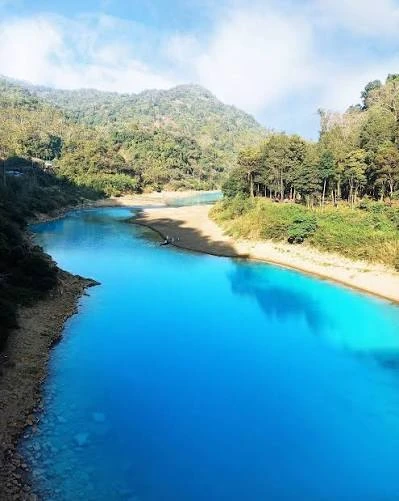
The Lukha River in the East Jaintia Hills of Meghalaya is currently facing a severe ecological crisis as the water turns a bright neon turquoise color during winter. While tourists visit the site due to its unusual appearance, local Pnar and War communities state that this color change is a clear sign of toxic Acid Mine Drainage originating from nearby hill tracts. This chemical contamination has rendered large stretches of the river biologically dead, impacting both local fishing livelihoods and essential drinking water supplies near the Narpuh reserve forest.
Causes of Water Pollution
The environmental damage is primarily driven by sulfuric acid and heavy metals that leak from thousands of abandoned and unregulated rat-hole coal mines. This situation is worsened by limestone runoff that flows throughout the Jaintia Hills region. The chemical discharge from these mines significantly lowers the oxygen levels in the water and causes the formation of toxic aluminum hydroxide complexes. These substances make the river water unsafe for aquatic life and human consumption.
Local Efforts to Restore River Health
Due to delays in state enforcement regarding the mining activities, local youth groups and environmental scientists have launched pilot projects to clean the water. These teams are using indigenous microalgae to help restore the pH levels of the river and remove heavy metals from the water. While these biological trials have shown success in reducing acidity, experts emphasize that these are only temporary measures. The long-term health of the river remains at risk as long as illegal mining operations and untreated mine seepage continue to flow from upstream streams.