Indigenous Women Lead Seed Saving Drive in Northeast India
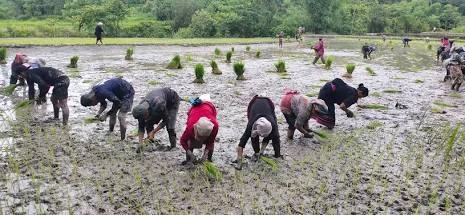
Indigenous women living along the borders of Nagaland and Manipur are launching a movement to protect traditional seeds from modern agricultural shifts. This initiative aims to preserve ancestral crop varieties as farmers face increasing pressure to switch to commercial cash crops and hybrid seeds. These women are working to secure food sources by creating community-level seed banks in remote mountain villages.
The Shift to Modern Farming
The region between Senapati and Kohima is seeing a major change in how crops are grown. Unpredictable weather patterns, such as shifting monsoon cycles and rising temperatures, have led many farmers to move away from traditional methods. Many are now adopting hybrid seeds, oil palm plantations, and single-crop timber trees instead of relying on native plants. This trend threatens traditional practices like Jhum shifting cultivation and terrace farming, which have supported local families for generations.
Importance of Native Seeds
Traditional heirloom seeds are highly valued for their ability to thrive in harsh conditions. Unlike hybrid variants that need chemical fertilizers and constant irrigation, native rice, millets, and pulses have evolved to handle local pests and poor soil quality. These native seeds remain resilient even during long periods of dry weather, making them essential for the region's climate adaptation. By moving toward monoculture, the area risks losing this natural genetic diversity that has been protected for decades.
Community Efforts for Biodiversity
To stop the loss of these unique crops, groups of indigenous women have stepped up to act as primary seed keepers. These women are now cataloging, preserving, and trading native seeds through local exchange networks. This grassroots effort is helping villages establish food sovereignty and build long-term climate resilience in the Eastern Himalayas. By managing these seed banks, the collectives ensure that ancestral agricultural knowledge is passed down and protected against the pressures of modern commercial farming.