Researchers at the Indian Institute of Technology Guwahati, in collaboration with the Indian Institute of Technology Kharagpur, have developed a light-sensitive device that can detect, store, and process visual information using very little energy.
Conventional electronic image processing uses separate components like a camera, memory, and a processor, which requires high data transfer and energy expenditure.
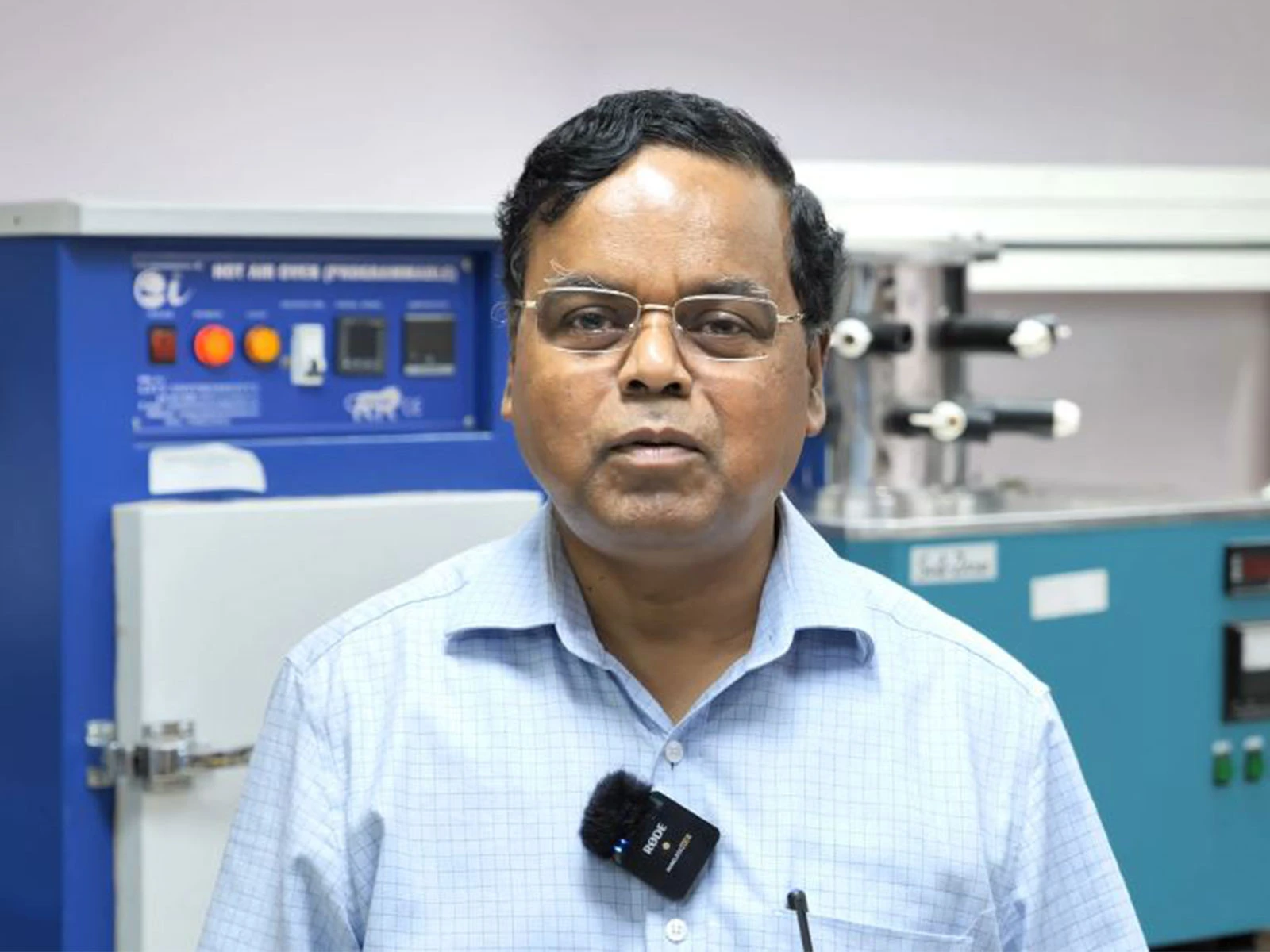
The human brain can simultaneously sense, process, store, and learn information with much less energy through nerve cell connections called synapses. Professor PK Giri stated that when the human eye sees an object, the brain immediately recognizes it using stored information without needing to analyze the image pixel by pixel.
Scientists created an ultrathin artificial synapse that responds to light and stores information even after the light is turned off.
The research team used MXene nanosheets and an organic semiconductor called P3HT to build the device.
In lab tests, the device consumed 500 times less energy than conventional MXene-based devices and achieved 90% accuracy in facial recognition and 85% accuracy in traffic segmentation.
The research findings have been published in the journal Carbon.