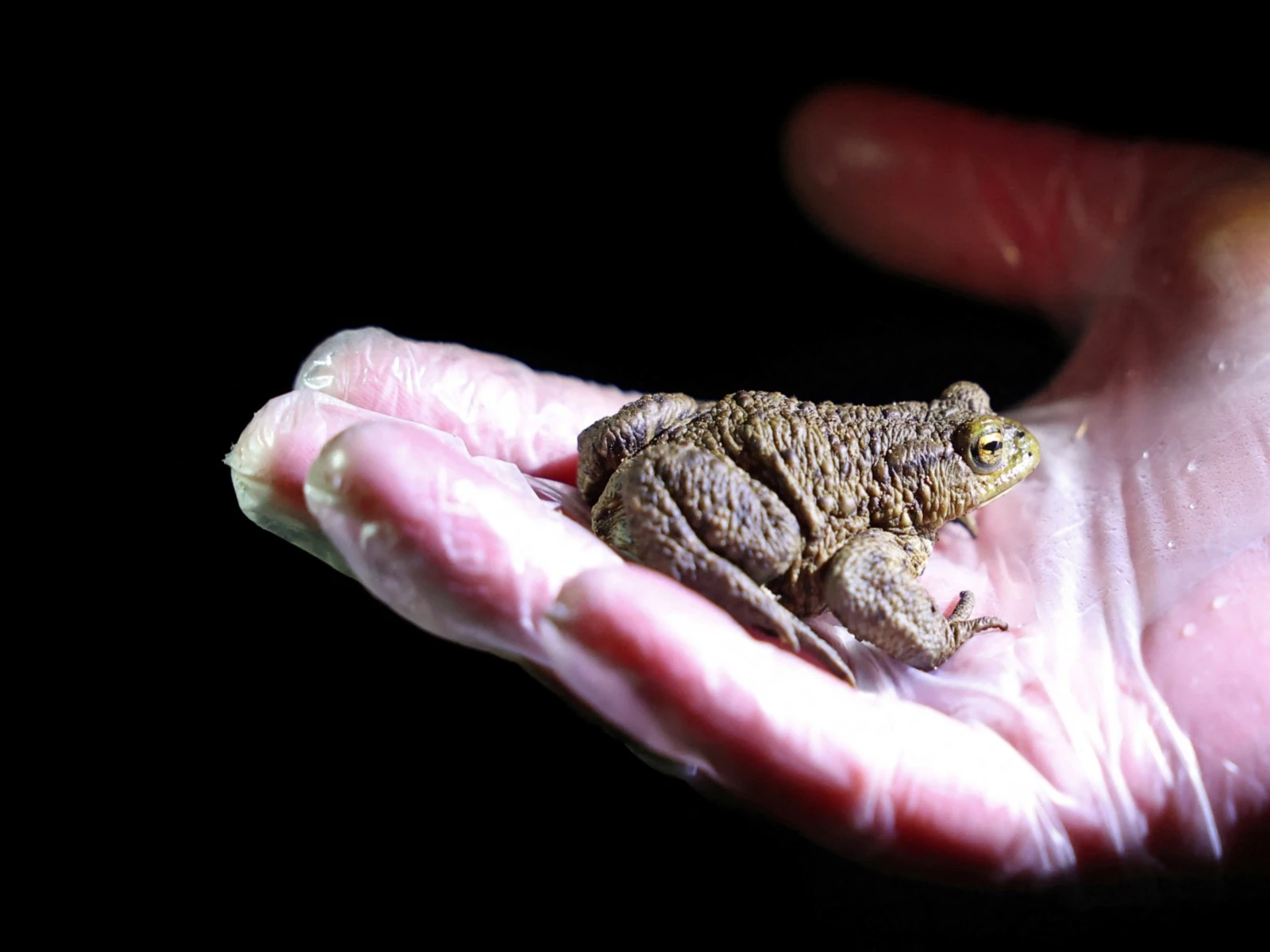
The Marbled Cascade Frog in Darjeeling and Kalimpong faces threats from genetic isolation and traditional hunting according to a new study. Locally known as Sisne Paha or Sisne Paa the frog has been harvested by local communities for generations for food and traditional medicine.
A study by 12 scientists from various institutions conducted a detailed DNA analysis of the species for the first time. The findings published in the international journal BMC Genomics showed that the population in the Darjeeling region is genetically isolated and has significantly lower genetic diversity compared to populations elsewhere in Asia. The research team collected samples from 57 locations across the Darjeeling Hill region at altitudes ranging from 200 to 2,400 metres. The Zoological Survey of India confirmed the species identity. Comparisons with DNA sequences from across the world showed that the Darjeeling population had the lowest genetic diversity while populations in Myanmar Southeast Asia and China showed relatively higher diversity.
Researchers identified local frog consumption as a modern pressure that could further reduce genetic diversity. Catching frogs perched on rocks and bushes at night during the monsoon season is a common practice in the Darjeeling Hills. Among consumed species Amolops marmoratus is more widely distributed and faces greater local harvesting pressure. Scientists suggested curbing unregulated hunting raising awareness among local communities and protecting frog habitats particularly streams at low to medium altitudes.