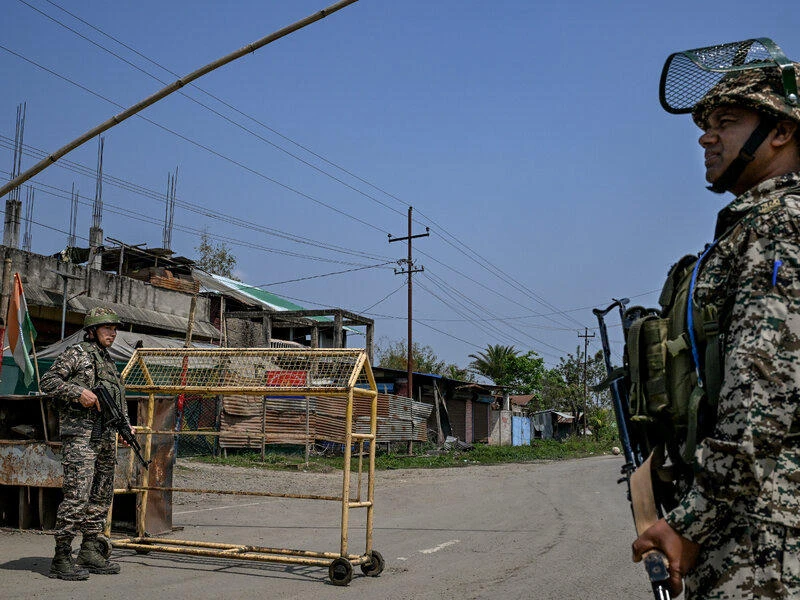
The Union Ministry of Home Affairs has extended the Armed Forces Special Powers Act in most of Manipur and parts of Nagaland and Arunachal Pradesh for another six months. This legal order keeps the extraordinary security provisions in force from 1 October 2026 until 31 March 2027. Official notifications indicate the decision stems from a further review of the law and order situation in these three states. The statute remains active under Section 3 of the law, which allows the central government to designate areas as disturbed when the use of armed forces is deemed necessary to support civil power. Manipur faces the most widespread application of the act, with the entire state designated a disturbed area except for 13 specific police station jurisdictions in five valley districts. Nagaland continues under the act across nine specific districts and parts of five other districts, while Arunachal Pradesh sees the act extended throughout three districts and three police station areas. Security forces in these notified regions retain powers to conduct warrantless searches, arrest suspects, and use lethal force against those violating orders prohibiting weapon possession or assemblies of five or more people. Section 6 of the act mandates that prior sanction from the central government is required before prosecuting personnel for actions taken under these powers.
Background and Context
The law traces its origins to 1958 and was designed to provide security forces additional authority where ordinary policing is judged insufficient.
Critics argue that the act fosters a culture where accountability for excessive force is difficult to secure, while supporters contend it remains essential to manage insurgency. Manipur has remained a focal point of this legal regime as ethnic violence between Meitei and Kuki-Zo communities persists. Data reported in April 2026 via an RTI reply from the state home department noted 217 deaths and 58,881 internally displaced persons as of 30 March 2026. Other estimates cited in May 2026 placed the number of insurgency linked fatalities at 327 across 146 incidents since May 2023. A significant event occurred on 25 September 2026 when four Tangkhul Naga civilians were killed near Pilong village in Kamjong district. Former chief minister N. Biren Singh blamed suspected KNA(B) cadres from Myanmar for the attack and urged stricter border guarding. Residents living within the 13 excluded valley stations exist under a different legal framework than those in the surrounding hill and fringe belts, affecting daily life for traders and commuters.
The next formal review point for the Union Ministry of Home Affairs is scheduled before the expiration of this order on 31 March 2027.
Legal challenges regarding the act continue to move through the Supreme Court and high courts, meaning the gazette notification does not resolve ongoing judicial disputes. Political stakeholders are expected to issue conflicting statements regarding the necessity of this extension. Citizens await further clarity on several fronts, including the findings of the Union commission of inquiry into the 2023 violence. Future assessments will rely on whether the government releases incident data justifying the map and whether the number of displaced persons decreases as the new cycle progresses.